
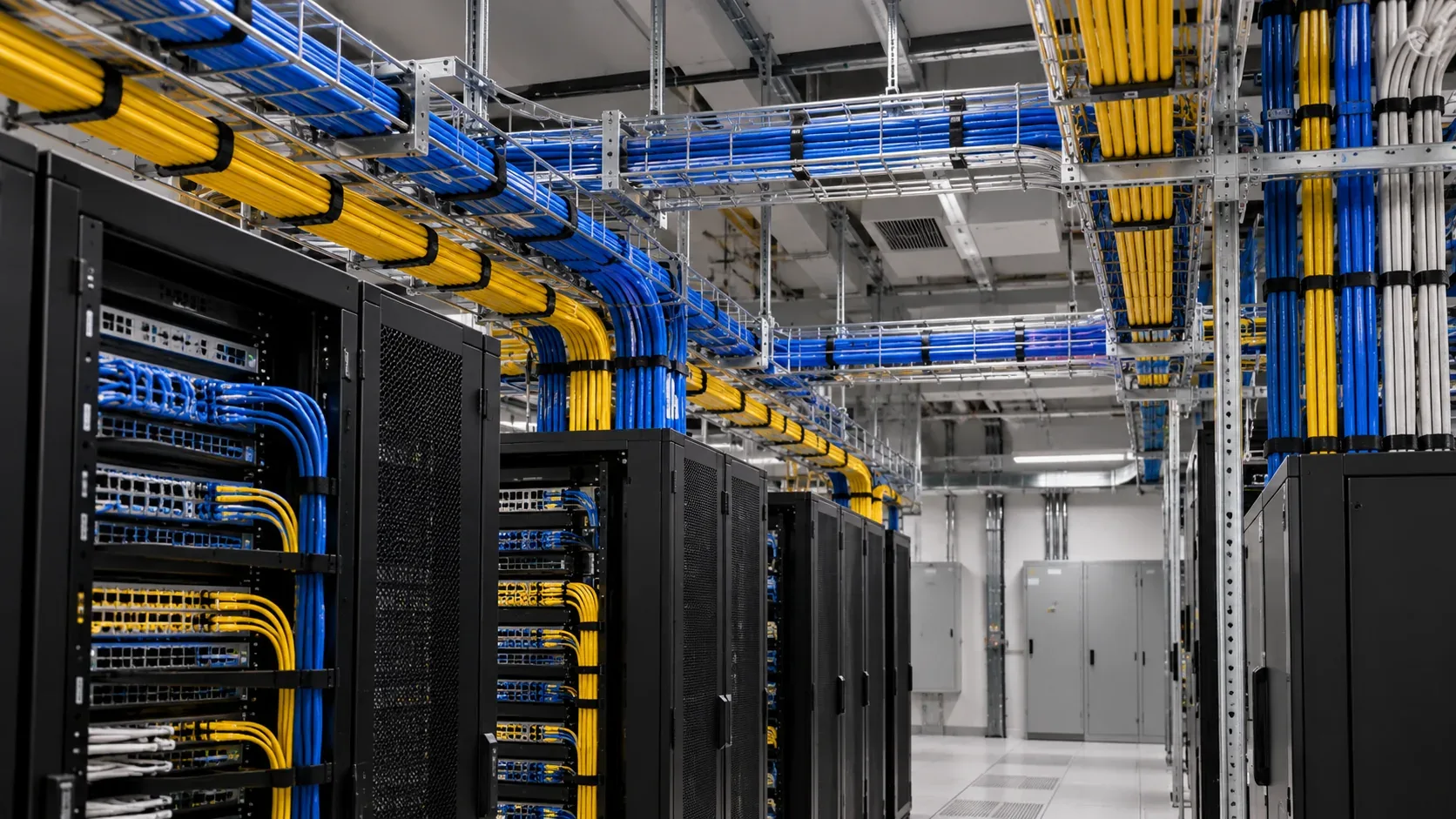
Cabling Design & Redundant Paths
Route planning considers equipment locations, building constraints and access for future maintenance. Clear separation of primary and alternative routes helps limit disruption when a cable or pathway needs attention.
What we deliver
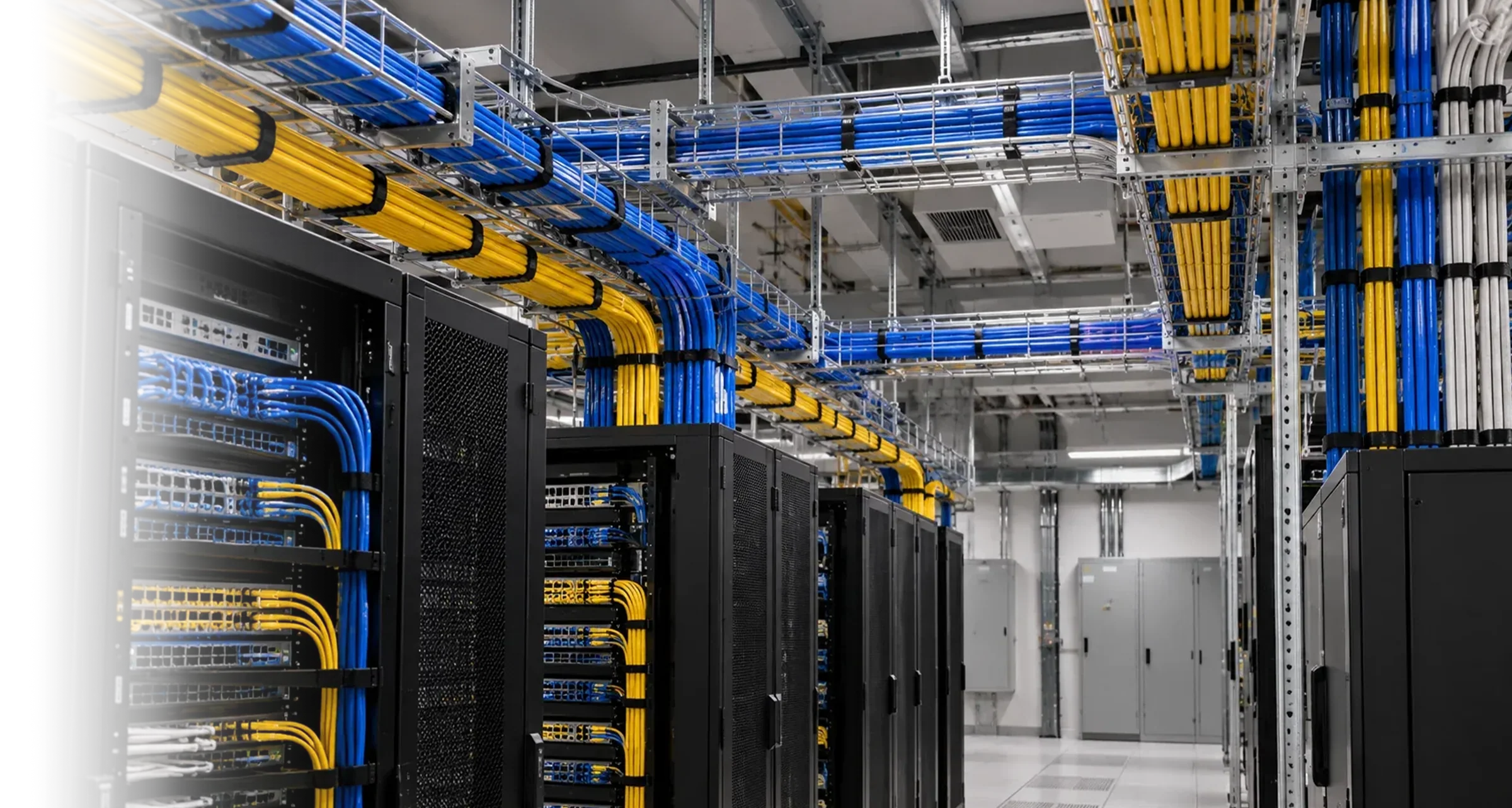
Komstadt helps plan, deploy and integrate structured cabling around your workplace needs, operational requirements and future expansion. The design brings cable routes, connection points and containment into one coordinated plan.
Route planning considers equipment locations, building constraints and access for future maintenance. Clear separation of primary and alternative routes helps limit disruption when a cable or pathway needs attention.

Backbone capacity is planned around current traffic demands and anticipated expansion across floors. Consistent labelling and test records make connections easier to identify during troubleshooting and upgrades.
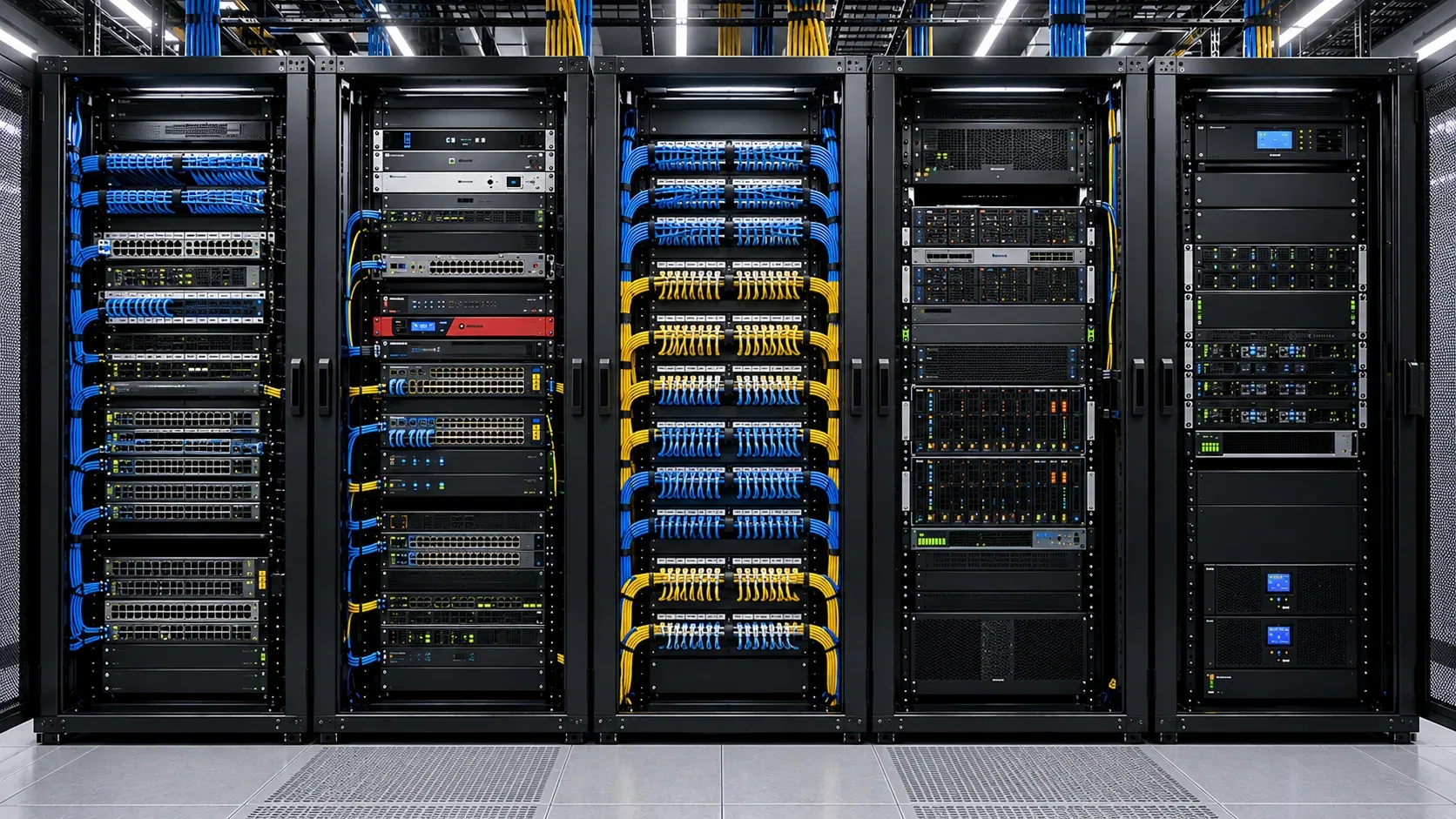
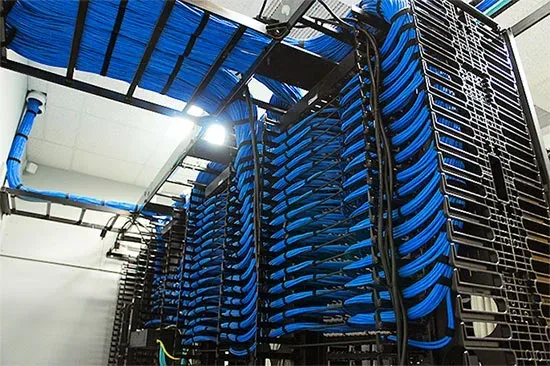
Organize copper and fibre connections between racks using planned pathways, patch panels, cable management and traceable port documentation. Documented connections help your team trace services and carry out moves, additions and changes more efficiently.
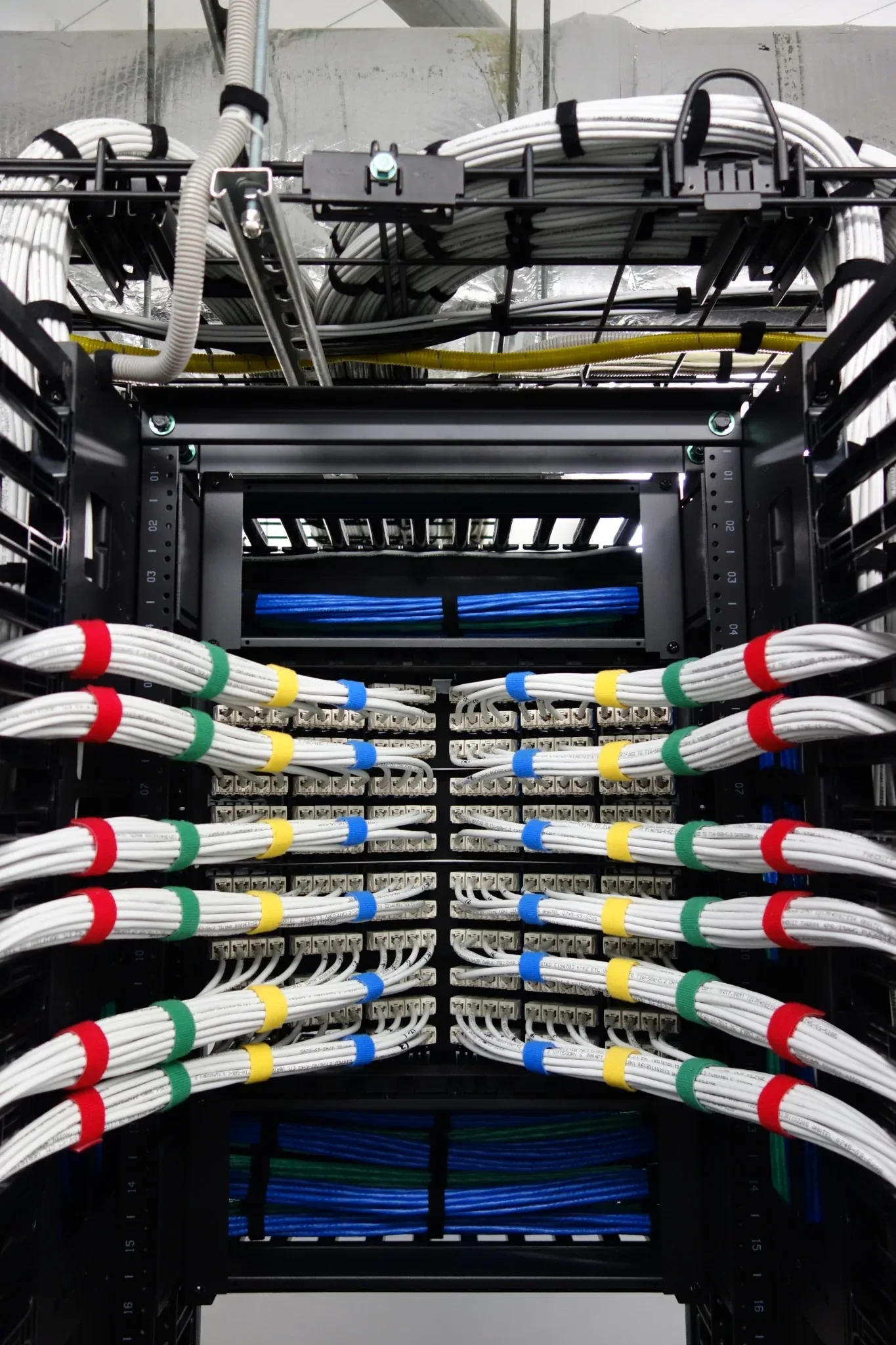
Protect and separate cables using trays, baskets, conduits and trunking sized for growth, safe access and orderly maintenance. Spare capacity and clearly organized pathways make it easier to accommodate additional workstations and equipment.
Technology ecosystem
Our structured cabling experience includes deploying products from established manufacturers such as CommScope and Panduit, selected according to project requirements, infrastructure specifications and client needs.


Planning guide
A structured cabling plan should support maintainable connectivity today without limiting future office expansion or equipment changes.
Structured cabling organises building network connections, while backbone cabling links telecommunications spaces and floors. The choice of copper or fibre depends on distance, capacity and topology.
Where appropriate, physically separate routes can reduce dependence on one cable pathway. Labelling, containment and patch-panel organisation also simplify maintenance.
Estimate current and expected device counts, provide suitable rack and containment capacity, and label routes and patch points clearly. This helps future moves, adds and changes stay manageable.